Short answer
Your sewer agency owns the main in the street and issues the permit. You pay its fees and hire a contractor to build the pipe across your lot. In the Clark Regional Wastewater District, the trench cannot be backfilled until the inspector approves the work. This applies to owners and builders across Clark County.
Which sewer agency serves my address?
It depends on where the lot sits. Clark County has several sewer providers, and each one runs its own permits.
- Clark Regional Wastewater District. The District says it serves unincorporated Clark County and the City of Ridgefield. That includes Hazel Dell, Felida, Orchards, Brush Prairie, Meadow Glade and Hockinson.
- City of Vancouver. The city runs its own sewer system. It also serves some homes outside city limits.
- Camas, Washougal, Battle Ground and La Center. Each city runs its own sewer utility. Call that city’s public works office.
City limits and sewer service areas do not always match. Do not guess. Ask the agency to check your address. The District will prepare a sewer availability form when you contact it. Vancouver takes a Request for Utility Services through Engineering Services.
What do I pay the agency, and what do I pay a contractor?
You pay the agency for the right to connect. You pay a contractor to build the pipe. They are two separate bills.
The District puts it this way, as of November 2026. Property owners are responsible for the costs of bringing sewer to the property and connecting the home. Its connection fee quote can include:
- A system development charge. This is a one-time fee to buy into the sewer system.
- Permit fees.
- Paybacks for an existing main or lateral that someone else built.
- A right-of-way permit and a tap on the main, if no lateral exists yet.
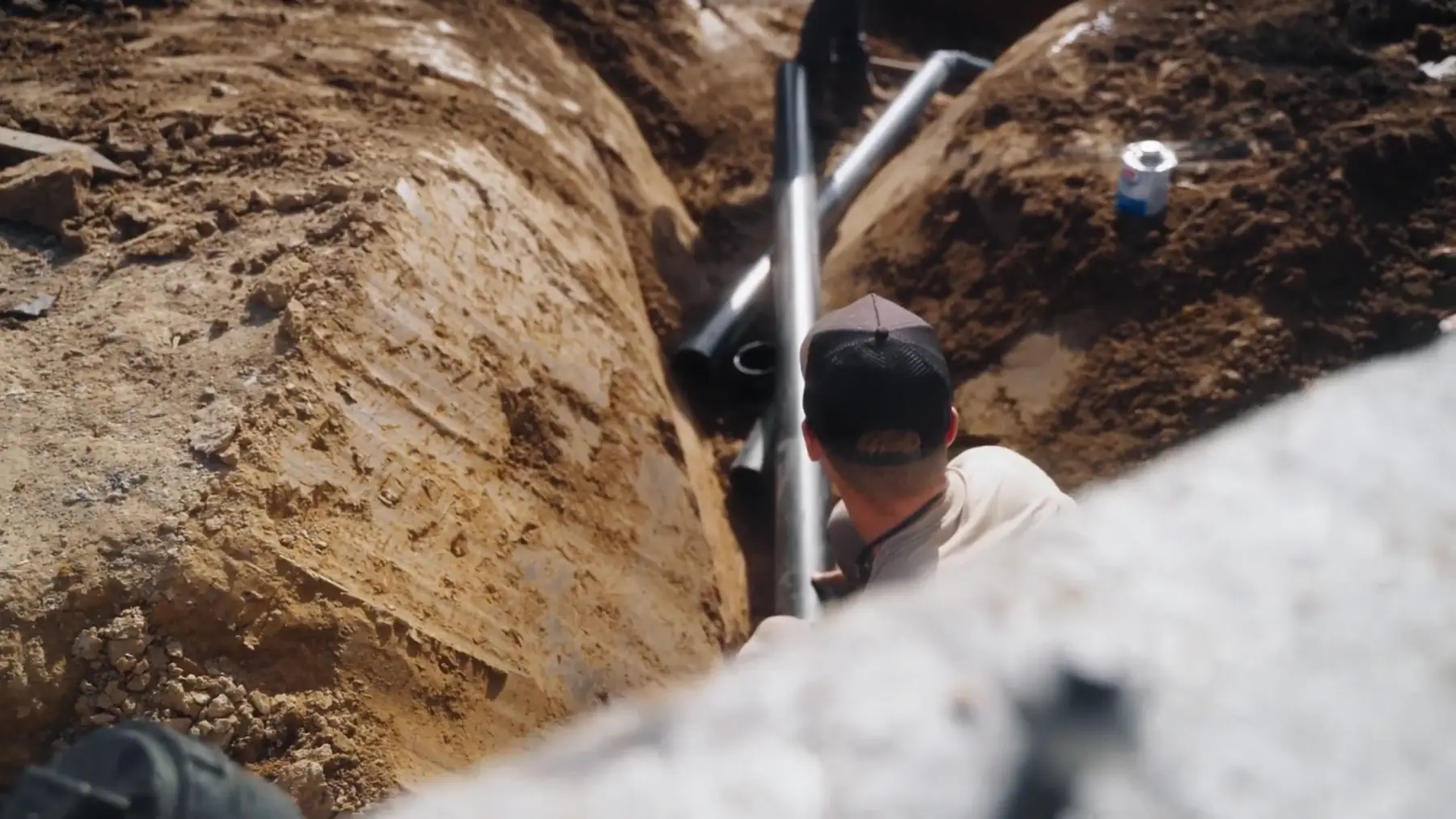
A lateral is the short pipe from the main to the edge of your lot. The pipe on your lot, from the lateral to the house, is called the side sewer. Building the side sewer is the contractor’s part.
For amounts, read the District’s fee schedule and ask for a written quote. The schedule posted there on November 23, 2026 lists a $100 sewer permit fee for a single home. The system development charge is far larger and depends on where the lot is. Fees change, so get the quote.
In Vancouver, city code sets a $25 fee for each sewer connection permit. System development charges are separate. The city says those go up each January 1. Call Engineering Services at the Permit Center for a fee quote.
Both agencies offer payment plans for some costs. The District asks for three contractor bids if you finance the side sewer through it.
Who is allowed to build the side sewer?
Each agency sets its own rule, so ask before you sign with anyone.
- Vancouver. Any work in the street needs a right-of-way permit. Only a contractor on the city’s authorized contractor list can get one. The list is posted on the Engineering Services page.
- La Center. City code says a side sewer permit goes to a registered, bonded, insured side sewer contractor or to the owner.
- Clark Regional Wastewater District. The District’s guide expects a contractor to do the work and call for inspection. Ask the District what it requires of that contractor.
In Washington, a contractor must be registered with the state Department of Labor and Industries. See how to check an excavation contractor’s license.
We install water, sewer and storm lines as part of our underground utility work. Whoever you hire, ask who pulls each permit. Get the answer in the bid.
What permits and inspections come before backfill?
You need the sewer permit in hand before any digging starts. Then the inspector has to see the pipe before it is covered.
The District’s steps run in this order:
- Get the side sewer permit.
- Have underground utilities located through 811. Note that 811 does not mark private lines.
- If a new lateral is needed, the contractor gets a tap request from the District. A street cut permit may also be needed in a paved road.
- Call for inspection when the trench is dug and the pipe is laid.
- Do not backfill until the inspector approves the work.
The District says it inspects within 24 hours of a request. It also notes that Clark County requires a plumbing permit for any plumbing changes under the house.
Vancouver’s rule is similar. No one may connect to a city sewer without a permit. The work is not complete until the city inspects and approves it.
How does septic-to-sewer conversion work?
You connect the house to sewer first, then shut down the old tank the legal way. You cannot just leave a tank full and walk away.
Clark County Code 24.17.210 lists the steps to abandon a septic tank:
- Have the tank pumped by a certified pumper.
- Remove the tank, or leave it in place.
- If it stays, remove or destroy the lid, puncture the bottom, and fill it with soil, sand or gravel.
- Grade the site to match the ground around it.
- Send Clark County Public Health a written notice with the pumper receipt.
Public Health has a septic abandonment notification form for that last step. It is on the county’s septic forms page. The District also asks for proof of pumping.
Do I have to connect if sewer is nearby?
Not always, but a failed septic system changes the answer. County code says the health officer shall require a sewer connection when a septic system fails and public sewer is within 200 feet. There are exceptions. One is when connecting would cost more than twice a new septic system that meets code.
Vancouver says owners in its sewer extension project areas are not required to connect unless the septic tank is failing.
New homes inside urban growth areas are a different case. The county requires those to connect to public sewer unless a waiver applies. Ask the county permit center about a new build.
Do this now
- Find your provider. Call the Clark Regional Wastewater District or your city and give them your address.
- Ask for a sewer availability check and a written connection fee quote.
- Ask the agency who may build the side sewer and who may work in the street.
- Get bids that name who pulls each permit, who calls for inspection, and who handles the septic tank.
- Keep the pumper receipt. You need it for the county septic notice.
More questions
Who owns the pipe from my house to the street?
The agency owns the main. Ask your sewer agency where its part ends and yours begins at your address, since each one draws that line in its own code.
Can I do the side sewer work myself?
It depends on the agency. La Center’s code allows the owner to apply. Vancouver limits street work to contractors on its list. Ask before you dig.
Does Portland work the same way?
Oregon and Portland have their own rules. This page covers Clark County, Washington only.
Sources
- Clark Regional Wastewater District: Connect to Sewer (read November 23, 2026)
- City of Vancouver: Engineering Services (read November 23, 2026)
- Vancouver Municipal Code: Chapter 14.08, Connection to Public Sewers (read November 23, 2026)
- Clark County Code: 24.17.210, Abandonment (read November 23, 2026)
Written by Lindberg Pipe & Grade, an excavation contractor in Vancouver, WA since 2008, from the agency pages and codes listed above. Rules and fees change. This is general information, not legal or engineering advice, so check with the permit office for your address before work starts.