Short answer
The owner does. Washington’s building code says the owner or the owner’s agent, “other than the contractor,” hires the testing firm when special inspection is required. The base rule for fill is 90 percent of a lab number called a Proctor. This applies to builders and owners in Vancouver and Clark County. Retest costs are set by your contract.
What is compaction testing?
It is a check of how tightly fill dirt is packed. Fill is soil or rock that is brought in or moved to raise the ground. Loose fill settles later, and whatever sits on it settles too.
The test has two parts:
- In the lab. A sample of the fill is packed at different moisture levels. This finds the tightest that soil can get. That lab number is called a Proctor.
- In the field. A technician tests the fill your contractor placed. The result is a percent of the lab number.
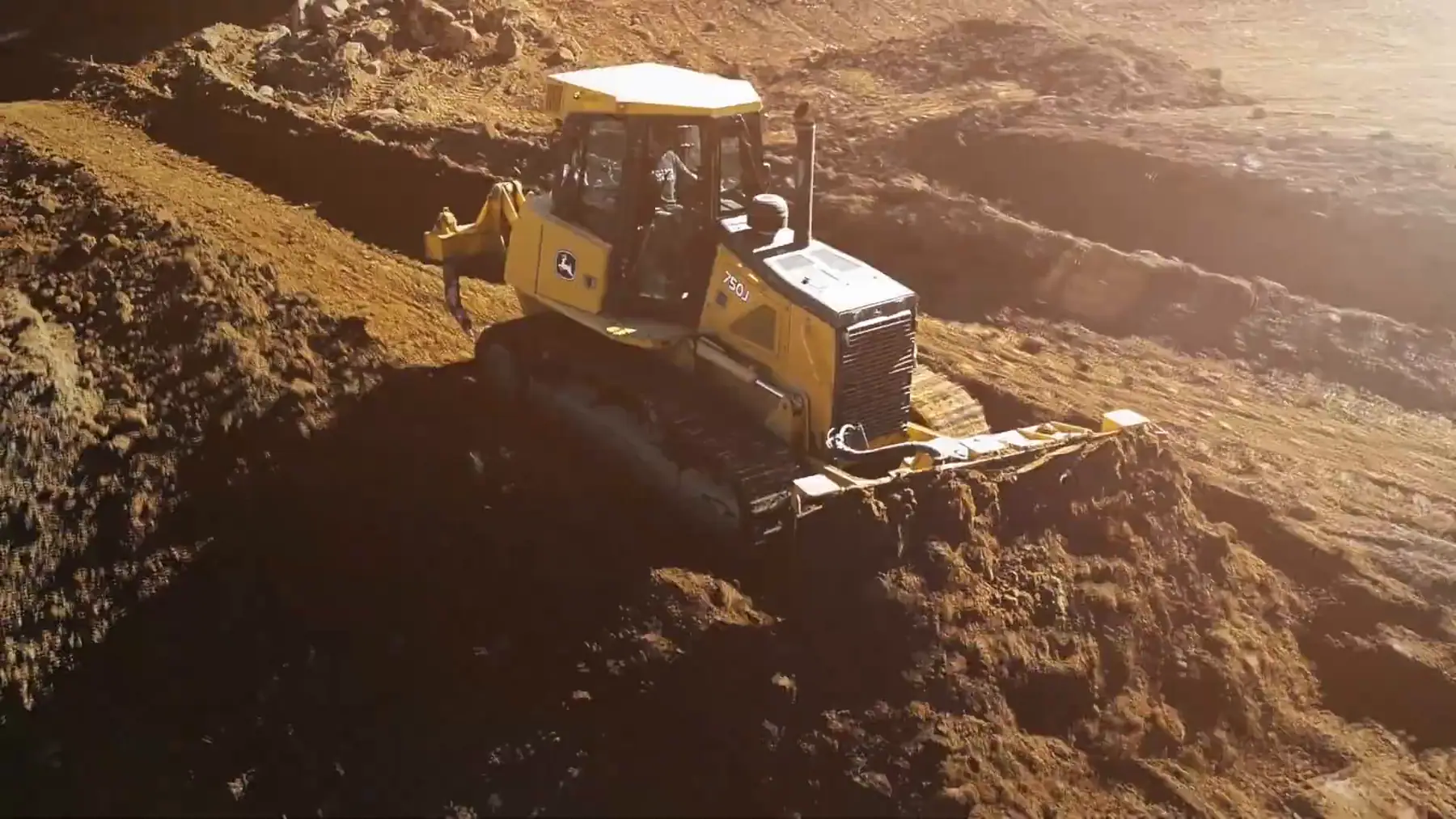
Fill goes in layers called lifts. Each lift is packed before the next one goes on. Testing happens as the lifts go in, not at the end.
What number does the fill have to hit?
Ninety percent of the lab number is the base rule here, as of November 2026.
In unincorporated Clark County, CCC 14.07.060 says all fill must be compacted to 90 percent of maximum density. The test method it names is ASTM D1557, Modified Proctor. Lifts may not be over 12 inches deep.
Inside Vancouver, VMC 17.12.010 adopts the state building code’s grading appendix. That appendix, Appendix J, has the same 90 percent rule and the same 12 inch lifts.
Your soils report can set a different number. A soils report is also called a geotechnical report. The county code says the soils report governs when the two conflict. Read your report first. Our article on getting a geotech report before excavation explains what is in one.
Codes change. Confirm with your permit office before you bid the work.
When is compaction testing required?
It is required when one of three documents calls for it:
- The geotechnical report. It lists the tests, the passing number and how often to test.
- The grading permit. Clark County’s code says special inspection applies to grading permit work “where required by the building official.” The state grading appendix that Vancouver adopts says the same.
- The building code. Chapter 17 of the Washington State Building Code covers special inspections. Section 1705.6 covers soils. It requires a special inspector to check fill materials, lift thickness and density as fill is placed.
Chapter 17 is written for commercial and larger buildings. It has exceptions for minor work and for some light wood-frame construction. For a house, look in the geotechnical report and the permit conditions. If either one calls for testing, it is required.
Who hires the testing firm?
The owner, or someone acting for the owner. Section 1704.2 of the state building code says so. The owner or the owner’s authorized agent, “other than the contractor,” must employ the approved agency.
The reason is simple. The firm checks the contractor’s work, so the contractor should not be its boss. There is one exception: the contractor may hire the firm when the contractor is also the owner. A builder working on land it owns fits that case.
On a commercial job, the general contractor is not the owner. Ask who holds the testing contract before the dirt work starts. The owner can name an agent, such as the project engineer, to handle it.
An excavation contractor can still check its own work as it goes. That does not replace the owner’s special inspection.
Who schedules the tests?
The code does not say who makes the phone call. It does say the work must stay open and reachable until it is tested. That means nobody covers a lift before the technician sees it.
The contractor knows when each lift will be ready. The owner holds the contract with the testing firm. So the two have to agree on a plan. Settle these points in writing before work starts:
- Who calls the testing firm.
- How much notice the firm needs.
- Who gets the reports.
The code also says where reports go. The testing firm sends them to the building official and to the design professional in charge.
What happens if a test fails?
The contractor has to fix that fill, and then it is tested again. The code says problems go to the contractor “for correction” right away. If they are not corrected, the testing firm reports them to the building official.
Fixing a failed lift is field work. The crew may dry the soil or add water. They may pack it more, or place it in thinner lifts. Sometimes the fill is dug out and replaced.
Wet weather makes passing harder. Soil that is too wet will not pack tight. Plan for that if your fill work lands in winter.
Who pays for a retest?
That depends on your contract. The code does not say. The owner pays the testing firm, so a retest lands on the owner’s bill first. A contract can charge that cost back to the contractor when the failure was the contractor’s work. Yours should say so either way.
Ask these questions when you compare bids for site prep and grading:
- Does the bid assume the owner hires and pays the testing firm?
- Who pays for a retest after a failed test?
- Who pays if the technician arrives and the fill is not ready?
- Does the price for brought-in fill include the lab Proctor test on that material?
- What happens to the schedule and price if the soil on site is too wet to pass?
Get each answer in the bid. Our guide to comparing excavation bids lists more items to check.
Do this now
- Read your geotechnical report. Find the pages on fill and compaction. Note the passing percent and how often to test.
- Read your permit conditions. Look for the words “special inspection.”
- If testing is required, the owner hires the firm. Ask the firm how it bills: by visit, by hour or by test.
- Ask each excavation bidder who pays for retests and for wasted trips. Get it in writing.
- Agree on who calls for tests and how much notice the firm needs.
More questions
Can my contractor hire the testing company?
Not when the building code requires special inspection, unless the contractor is also the owner. Section 1704.2 says the owner or the owner’s agent, other than the contractor, hires the firm.
What is a Proctor?
It is a lab test on a sample of your fill. It finds the tightest that soil can pack and the moisture level that gets it there. Field tests are scored against it.
Do I need testing for a small backyard fill?
Ask your permit office. The building code allows the building official to waive special inspection for minor work.
Sources
- 2021 Washington State Building Code: Chapter 17, Special Inspections and Tests (Sections 1704.2 and 1705.6) (read November 23, 2026)
- Clark County Code: Chapter 14.07, Grading, Excavation, Fill, and Stockpile (read November 23, 2026)
- Vancouver Municipal Code: Chapter 17.12, International Building Code (read November 23, 2026)
- 2021 Washington State Building Code: Appendix J, Grading (read November 23, 2026)
Written by Lindberg Pipe & Grade, an excavation contractor in Vancouver, WA since 2008, from the agency pages and codes listed above. Rules and fees change. This is general information, not legal or engineering advice, so check with the permit office for your address before work starts.